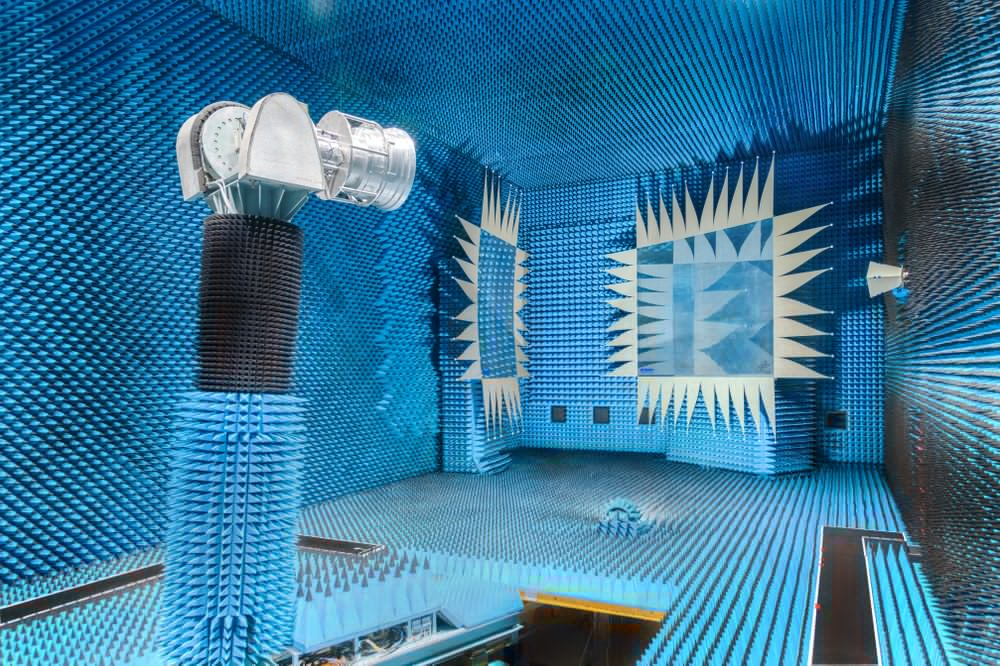
Wireless communication has become a vital part of our daily lives. From mobile phones and Wi-Fi networks to GPS systems and satellite communication, we rely on wireless signals to stay connected. At the heart of these systems is the antenna, which transmits and receives signals. Ensuring that an antenna works properly is not just important—it is essential. This is where antenna testing comes into play. Conducting thorough tests guarantees that wireless communication systems perform reliably and efficiently, avoiding signal loss, interference, and other problems.
Understanding the Importance of Antenna Test
An antenna test is a process that evaluates how well an antenna can send and receive signals. This testing involves measuring different parameters like signal strength, frequency response, radiation pattern, and efficiency. Without proper testing, an antenna might not perform as expected, leading to weak signals or dropped connections. By performing an antenna test, engineers can identify and fix issues before the antenna is used in real-world applications, ensuring that devices stay connected under various conditions.
Improving Signal Quality Through Testing
One of the main reasons antenna testing is important is to improve signal quality. Poorly functioning antennas can cause weak connections, slow data transfer, or frequent interruptions. By conducting tests, engineers can measure the signal strength and make necessary adjustments. This ensures that wireless devices provide clear and reliable communication. Whether it is a mobile network, a home Wi-Fi system, or a satellite link, a well-tested antenna delivers consistent performance, improving the user experience.
Reducing Interference and Communication Problems
Another benefit of an antenna test is the reduction of interference. Wireless communication systems often operate in crowded frequency bands where multiple signals overlap. An antenna that is not properly tested might pick up unwanted signals or create interference for other devices. Through testing, engineers can ensure that antennas operate on the correct frequencies and minimize the chance of interference. This is particularly important in environments like airports, hospitals, or urban areas where reliable communication is critical.
Ensuring Compliance with Industry Standards
Antenna testing also helps in meeting industry standards and regulations. Communication devices must follow strict rules regarding frequency usage, power output, and radiation levels. An antenna that fails to meet these standards can cause legal and technical problems. By conducting comprehensive tests, manufacturers can certify that their antennas comply with regulations, which helps in avoiding penalties and ensures the safety of users.
Supporting Advanced Wireless Technologies
As wireless technologies continue to advance, the role of antenna testing becomes even more crucial. Modern systems like 5G networks, Internet of Things (IoT) devices, and smart home technologies require precise and high-performing antennas. Testing allows engineers to optimize antennas for these advanced applications, ensuring fast, reliable, and secure communication. A proper antenna test ensures that new technologies function as intended and meet the increasing demands of users.
Reducing Costs and Avoiding Failures
Investing in antenna testing may seem like an added expense, but it actually helps save money in the long run. Faulty antennas can lead to product recalls, network downtime, and customer complaints, which are far more costly. By testing antennas during development and production, companies can detect issues early and avoid failures in the field. This not only protects the reputation of the brand but also ensures that users receive reliable and efficient products.
Conclusion
In today’s world, where wireless communication is essential, antenna testing plays a vital role. It ensures that antennas deliver strong, clear signals, reduce interference, comply with regulations, and support modern technologies. Conducting a proper antenna test improves performance, reduces failures, and provides users with a seamless communication experience. Whether it is for mobile networks, home Wi-Fi, or advanced 5G systems, reliable antennas are the backbone of effective wireless communication, and testing is the key to achieving this reliability.


