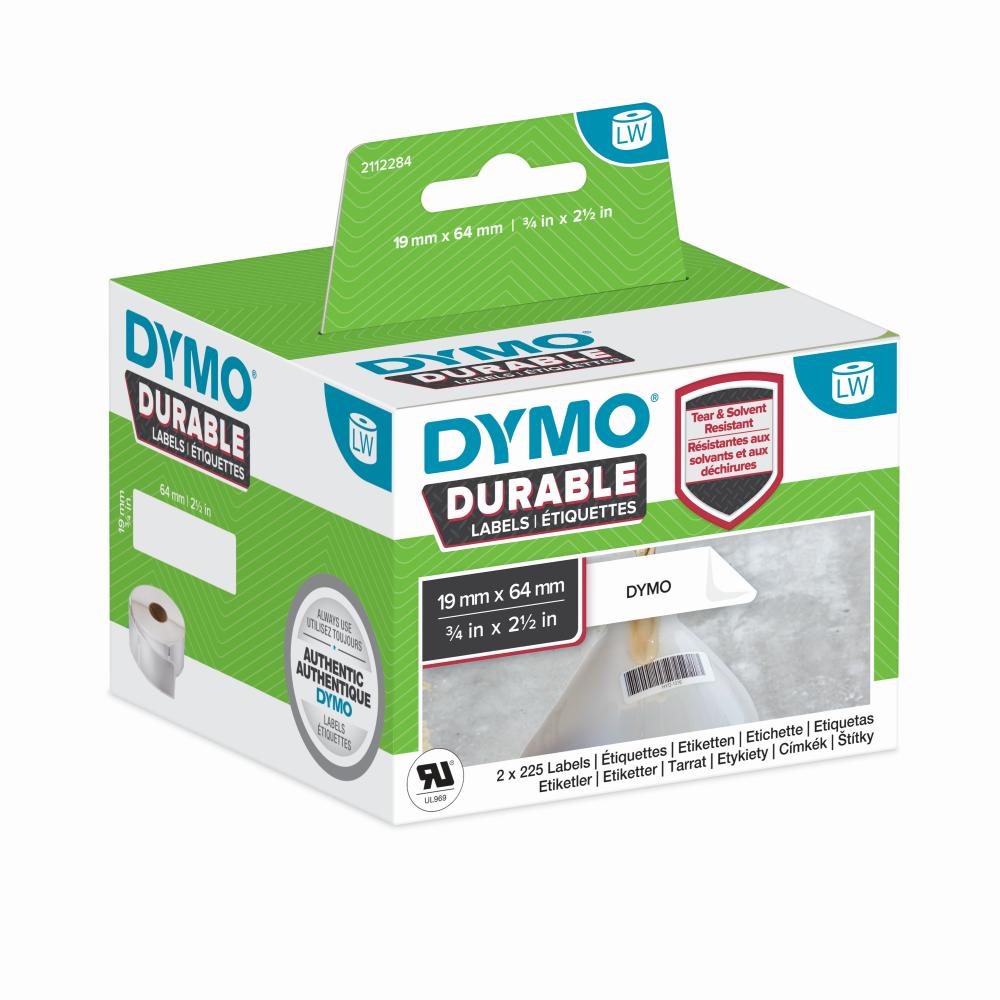
Food packaging requires labels that stay readable, clean, and firmly attached—even in environments where moisture, oil, and low temperatures are common. For eCommerce food sellers, meal prep businesses, bakers, delis, and gourmet brands, one of the most reliable solutions is Dymo waterproof labels. These labels maintain print clarity and adhesion under conditions that would quickly ruin standard paper labels.
Whether you’re shipping homemade cookies, storing frozen meals, labeling cold beverages, or packaging gourmet snacks, understanding how waterproof Dymo labels work—and how to choose the right ones—can significantly improve your packaging quality and reduce operational issues.
This comprehensive guide explains the top uses, important features, compliance considerations, and best practices sellers need to know about Dymo waterproof labels for food packaging.
Dymo Waterproof Labels for Food Packaging: Why They Matter
Food packaging faces many challenges that ordinary labels cannot handle. From condensation and grease to freezing temperatures and constant handling, food packaging requires labels that stay intact in harsh, real-world environments. Dymo waterproof labels solve these problems by using synthetic film instead of paper, combined with durable, smudge-proof direct-thermal printing.
Why they matter for food sellers:
- Prevent smudging from moisture, oils, and contact
- Stay adhered on smooth or slightly curved surfaces
- Remain legible in refrigerators, freezers, and warm kitchens
- Resist tearing and scuffing during transport
- Maintain barcode readability for inventory and delivery
For any food business—whether local or online—reliable labeling is essential for compliance, customer experience, and brand trust. Waterproof labels help sellers avoid returns, inaccurate orders, regulatory issues, and damaged packaging appearances.
Dymo Waterproof Labels for Food Packaging in Refrigerated Products
Refrigerated foods such as bottled drinks, desserts, dairy items, deli boxes, and ready-to-eat meals produce condensation when moved in and out of cold storage. Paper labels absorb moisture, wrinkle, or peel off.
Dymo waterproof labels remain stable on refrigerated surfaces because their film material repels water instead of absorbing it.
Common uses for refrigerated products:
- Smoothie, juice, and cold beverage bottles
- Fresh salads and deli containers
- Dairy products (yogurt, cheese, milk alternatives)
- Pre-cut fruit or vegetable packaging
- Cooked meal boxes
- Restaurant take-out items
Because these labels resist smudging, customers can read dates, ingredients, and brand logos clearly even after hours in the fridge.
Dymo Waterproof Labels for Food Packaging in Freezer Environments
Freezer environments introduce unique challenges: extremely low temperatures, frost, condensation, and surface texture changes. Many labels lose adhesion or become brittle in freezing conditions.
Waterproof film labels used for Dymo printers maintain:
- strong bonding at low temperatures
- flexibility without cracking
- clear, dark print visibility
- resistance to ice buildup
These qualities make them ideal for:
- frozen meal prep containers
- ice cream tubs
- frozen seafood packaging
- bakery dough storage
- smoothie prep kits
- frozen fruit and vegetable bags
Freezer labeling is especially important for meal prep businesses that ship cold meals nationwide. Waterproof Dymo labels prevent barcode scanning issues and maintain a neat, high-quality appearance even during long-distance cold-chain logistics.
Dymo Waterproof Labels for Food Packaging in Oily or Greasy Environments
Foods containing oils, sauces, or fats can easily ruin standard paper labels. Grease can seep into the material or cause the adhesive to weaken.
Dymo waterproof labels remain resistant because film surfaces do not absorb oils. This benefits businesses in:
- bakeries (cookies, pastries, butter-rich goods)
- gourmet markets (sauces, olive oils, snacks)
- delis (prepared foods, roasted meats, sandwiches)
- catering services (foil trays, plastic tubs)
- home-kitchen food sellers (meal kits, snacks)
When oil touches the label surface, it wipes off without affecting barcode readability or text clarity. The adhesive also remains strong, preventing corners from lifting.
Dymo Waterproof Labels for Food Packaging Used on Bottles & Jars
Food sellers who package products in bottles or jars face a common challenge: condensation and surface curvature cause paper labels to peel or bubble. Waterproof Dymo labels offer flexible film construction that adheres securely to rounded surfaces.
Ideal for:
- Honey jars
- Jam and preserves
- Cold-pressed juices
- Kombucha bottles
- Salad dressing bottles
- Spices and seasonings
- Nut butters or spreads
Because the film is durable, it can withstand handwashing of the exterior surface, mild cleaning, and frequent handling without fading.
Dymo Waterproof Labels for Food Packaging in Meal Prep & Takeout Businesses
Meal prep delivery companies and local meal subscription services rely on accurate labels for:
- portion sizes
- ingredients
- allergens
- expiration dates
- reheating instructions
- barcode-based batch control
In these environments, containers are exposed to:
- microwaving
- freezing
- refrigeration
- condensation
- greasy kitchen conditions
Dymo waterproof labels provide reliable performance in all these situations. They stay attached to plastic meal boxes even when customers microwave food, although sellers should avoid placing labels directly in high-heat zones.
Meal prep businesses also benefit from the clean, sharp printing produced by direct-thermal film labels, which elevates the professionalism of packaging.
Dymo Waterproof Labels for Food Packaging in Baking & Confectionery
Bakeries and home-based dessert shops often ship or display items in warm, sugary, or oily environments. Packaging may include:
- cookie bags
- pastry clamshells
- cake boxes
- dessert jars
- chocolate packaging
Waterproof Dymo labels help bakers maintain brand consistency and product safety labeling. They also help prevent smearing when labels come into contact with:
- butter or oil residues
- flour dust
- chocolate coating
- sticky icing
Since bakery items are often gifted, premium-looking labels significantly enhance presentation.
Dymo Waterproof Labels for Food Packaging Safety & Compliance
Food labeling is not only about branding—it’s part of compliance. Sellers must ensure that labels remain readable and correctly placed at all times. Waterproof labels support the following requirements:
Required information that must stay legible:
- ingredients
- allergen declarations
- nutritional information
- expiration dates
- batch/lot numbers
- storage instructions
- country of origin
If this information fades or becomes unreadable, businesses risk violating food safety regulations or causing consumer confusion.
Waterproof Dymo labels help maintain compliance by preventing smudging and label loss in wet, cold, or oily conditions.
Dymo Waterproof Labels for Food Packaging Branding & Aesthetics
Beyond function, waterproof labels improve the branding appearance of food packaging. Film labels typically provide:
- a clean, glossy finish
- a smooth, premium texture
- sharp, high-contrast printing
- resistance to scratches and scuffs
Small food sellers use waterproof Dymo labels as:
- brand-logo stickers
- thank-you tags
- flavor or variety identifiers
- promotional labels
- QR codes for websites or traceability apps
Even without custom printing or professional design equipment, sellers can create consistent, stylish branding using their Dymo printer.
Dymo Waterproof Labels for Food Packaging in Delivery & Shipping
Food shipping—especially nationwide cold chain delivery—exposes packages to unpredictable conditions:
- melting ice packs
- condensation inside insulated mailers
- rough handling
- temperature fluctuations
- outdoor delivery in rain or snow
Paper labels often warp or detach. Waterproof Dymo labels maintain stability and readability, ensuring carriers can scan barcodes quickly and accurately.
They also prevent lost packages resulting from damaged shipping labels.
Common shipping uses:
- insulated meal kits
- gourmet snack boxes
- frozen foods
- beverages
- gift boxes
- seasonal holiday food bundles
Reliable labels help ensure that food arrives safely and professionally.
How Sellers Can Choose the Right Dymo Waterproof Labels for Food Packaging
Choosing the correct waterproof label ensures optimal results. Sellers should evaluate:
1. Material
Use synthetic film materials such as PP or PET for true waterproof performance. Paper is “water-resistant” at best, not waterproof.
2. Adhesive strength
Look for:
- freezer-grade adhesive for frozen foods
- high-tack adhesive for curved or textured surfaces
- removable adhesive for returnable containers
3. Label size
Popular sizes include:
- 2 ¼” x 1 ¼” (for bottles & small containers)
- 2 ⅛” x 4″ (larger ingredient or nutrition labels)
- 4″ x 6″ (shipping labels for insulated packages)
4. Printer compatibility
Ensure the labels match your Dymo model (e.g., 450, 550, 4XL).
5. Temperature ratings
Check:
- minimum application temperature
- service temperature range
- resistance to refrigerator/freezer conditions
Selecting the right combination guarantees long-lasting performance.
Best Practices for Using Dymo Waterproof Labels in Food Packaging
To get the best results, follow these tips:
Clean the application surface
Wipe away moisture, oil, or crumbs before applying labels.
Apply labels firmly
Press down across the entire surface to ensure strong adhesion.
Avoid applying to extremely cold surfaces
Let frozen containers rest a few seconds at room temperature before labeling.
Test labels in real workflows
Print sample labels and test them in:
- microwaving
- refrigeration
- freezer storage
- shipping environments
Store labels properly
Keep label rolls in a cool, dry place to preserve adhesive performance.
Conclusion: Why Dymo Waterproof Labels Are Essential for Food Sellers
Food packaging demands labels that can withstand moisture, oil, freezing temperatures, and constant handling. Dymo waterproof labels meet all these requirements while providing sharp, professional printing that enhances brand image and ensures compliance.
For food sellers—from small Etsy bakers to full-scale meal prep companies—waterproof Dymo labels offer a dependable, cost-effective solution that improves packaging durability, customer satisfaction, and operational efficiency.
Investing in the right waterproof labels not only protects your food products—it strengthens your business.China Bearing Manufacturer
FAQs About Dymo Waterproof Labels for Food Packaging
1. Are all Dymo labels waterproof?
No. Most standard Dymo labels are paper-based and not waterproof. Choose synthetic film labels (PP/PET) specifically designed for moisture and oil resistance.
2. Can waterproof Dymo labels be used in freezers or microwaves?
Most waterproof film labels work well in freezers. They are not meant to be microwaved directly but usually stay intact on meal containers that customers heat up.
3. Are waterproof Dymo labels food-safe?
Waterproof labels are typically applied to the outside of food packaging. For food-contact surfaces, sellers should use materials certified for direct food contact. Most Dymo-compatible waterproof labels are intended for indirect contact only.


