Introduction
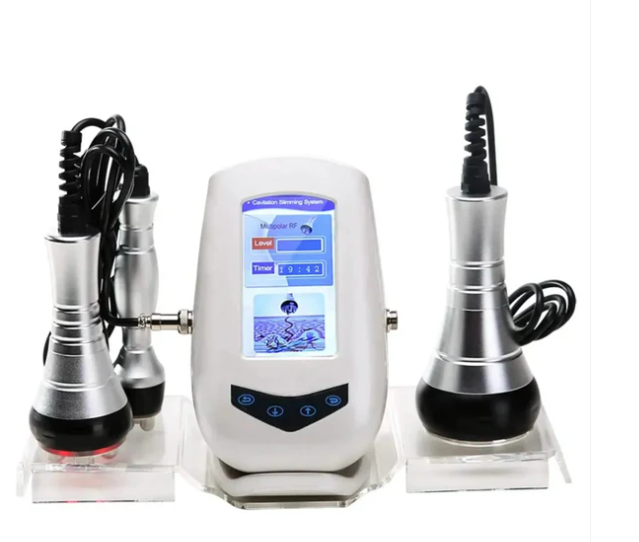
In recent years, non-invasive aesthetic technologies have gained significant attention as people look for alternatives to surgical procedures. One such innovation is ultrasonic cavitation, a method designed to support body contouring without incisions, anesthesia, or recovery downtime. The technology is widely used in beauty clinics and wellness centers, and it is increasingly becoming available for personal use as well through advanced tools like a cavitation machine.
At its core, cavitation technology focuses on targeting localized fat deposits using sound waves. While it is not a weight-loss solution, it plays a role in reshaping specific areas of the body. Understanding how it works, its benefits, and its limitations helps users form realistic expectations and make informed decisions.
What Is Ultrasonic Cavitation?
Ultrasonic cavitation is a non-surgical technique that uses low-frequency ultrasound waves to break down fat cells beneath the skin. These sound waves create pressure changes in fat tissue, forming tiny bubbles within fat cells. This process weakens the cell membranes, allowing stored fat to be released into the body’s natural metabolic system.
Once fat cells are disrupted, the released fatty acids and glycerol are processed by the liver and excreted through natural pathways such as urine and sweat. The body gradually eliminates these byproducts over several days, resulting in a reduction in the thickness of fat layers in treated areas.
How Cavitation Technology Works
The Science Behind Ultrasound Waves
Ultrasound waves used in cavitation typically operate at frequencies between 25 kHz and 40 kHz. These frequencies are specifically chosen because they interact effectively with fat tissue without damaging surrounding structures such as skin, blood vessels, or nerves.
The process involves:
- Emission of ultrasound waves through a handheld device.
- Penetration of waves into subcutaneous fat layers.
- Formation of microscopic bubbles inside fat cells.
- Collapse of bubbles, leading to fat cell breakdown.
This mechanism is known as “cavitation effect,” where pressure changes create physical stress within fat tissue.
What Happens After Fat Breakdown?
After fat cells are disrupted, the body treats the released content as waste. The lymphatic system plays a key role in transporting fatty acids to the liver, where they are metabolized and eventually expelled. This is why hydration and light physical activity are often recommended after sessions, as they support lymphatic drainage.
Common Areas Treated with Cavitation
Cavitation is primarily used for localized fat reduction rather than overall slimming. It is most effective in areas where fat is soft and evenly distributed.
Typical treatment areas include:
- Abdomen and waist
- Thighs and hips
- Upper arms
- Lower back
- Buttocks
These regions respond well because they usually contain subcutaneous fat that is accessible to ultrasound waves.
Benefits of Cavitation Machines
Non-Invasive and Painless
One of the most appealing aspects of cavitation is that it does not involve surgery. There are no needles, incisions, or scars. Most users describe the sensation as mild warmth or gentle vibration.
No Downtime Required
Unlike surgical body contouring, cavitation does not require recovery time. Individuals can resume daily activities immediately after a session, making it suitable for people with busy schedules.
Targeted Fat Reduction
Cavitation allows for precise treatment of specific areas. This makes it useful for body shaping rather than overall weight loss.
Gradual and Natural Results
Results appear gradually over multiple sessions, giving the body time to process fat naturally. This leads to subtle, more natural-looking changes.
Limitations and Realistic Expectations
Not a Weight-Loss Solution
Cavitation does not replace diet, exercise, or medical weight-loss programs. It targets fat cells but does not significantly affect body weight.
Results Vary Between Individuals
Effectiveness depends on factors such as:
- Body composition
- Metabolism
- Lifestyle habits
- Hydration levels
Some people notice visible changes after a few sessions, while others require longer treatment plans.
Requires Multiple Sessions
Cavitation is not a one-time procedure. Most protocols recommend 6–12 sessions for noticeable results, spaced one week apart.
Safety and Side Effects
Ultrasonic cavitation is generally considered safe when used properly. However, like any technology, it must be applied responsibly.
Common Mild Effects
Some individuals may experience:
- Temporary redness
- Slight swelling
- Mild warmth in treated areas
These effects usually subside within a few hours.
Who Should Avoid Cavitation?
Cavitation is not recommended for individuals with:
- Pregnancy
- Liver or kidney disorders
- Pacemakers or metal implants
- Severe cardiovascular conditions
Consulting a healthcare professional before starting treatment is advisable, especially for those with medical concerns.
Cavitation vs Other Body Contouring Methods
Cavitation vs Liposuction
Liposuction is a surgical procedure that physically removes fat through suction. While it delivers immediate and dramatic results, it involves risks, anesthesia, and recovery time. Cavitation, on the other hand, is non-invasive, but results are gradual and less dramatic.
Cavitation vs Radiofrequency
Radiofrequency focuses on skin tightening by heating deeper skin layers. Cavitation targets fat reduction instead. These two methods are often combined for improved contouring and skin firmness.
Cavitation vs Cryolipolysis
Cryolipolysis freezes fat cells, while cavitation uses ultrasound. Both aim to reduce fat, but cavitation tends to be more comfortable, as it does not involve extreme cold.
How to Maximize Cavitation Results
Hydration Is Essential
Drinking water before and after sessions supports lymphatic drainage and fat elimination. Dehydration can slow down the metabolic process.
Maintain an Active Lifestyle
Light exercise, such as walking or cycling, helps the body burn released fatty acids. Sedentary habits may reduce effectiveness.
Balanced Nutrition
A healthy diet supports long-term results. High-fat or high-sugar diets can counteract the effects of cavitation.
Consistency Matters
Regular sessions and lifestyle habits play a crucial role in achieving visible and lasting improvements.
At-Home vs Professional Cavitation Devices
Professional Devices
Clinic-grade machines usually operate at higher power levels and are used by trained practitioners. They often provide faster and more noticeable results.
At-Home Devices
Home-use devices are designed for safety and convenience. They operate at lower intensity, making them suitable for gradual improvements over time.
While professional treatments offer stronger effects, at-home devices provide flexibility and cost-efficiency for long-term use.
Psychological and Lifestyle Impact
Beyond physical changes, body contouring technologies like cavitation can influence self-confidence and motivation. Feeling more comfortable with one’s appearance may encourage healthier habits, improved posture, and increased physical activity.
However, it is important to approach such technologies with realistic expectations. Cavitation should be viewed as a supportive tool, not a solution for body image concerns or self-esteem challenges.
Conclusion
Cavitation technology represents a modern approach to non-invasive body contouring. By using ultrasound waves to disrupt fat cells, it offers a safe and convenient option for individuals seeking subtle shaping without surgery. While it does not replace healthy lifestyle choices, it can complement them effectively when used consistently and responsibly. Utilizing a cavitation machine can help individuals achieve gradual, targeted improvements in body shape in the comfort of a professional or home setting.
Ultimately, the value of cavitation lies in understanding its purpose and limitations. When combined with hydration, balanced nutrition, and physical activity, it can contribute to gradual improvements in body contours and overall appearance.
FAQs
1. How long does it take to see results from cavitation?
Results usually become visible after 3–6 sessions, depending on individual metabolism and lifestyle. Fat reduction occurs gradually as the body processes released fat cells. Consistency, hydration, and physical activity significantly influence how quickly changes appear.
2. Is ultrasonic cavitation safe for long-term use?
Yes, cavitation is generally safe when used according to guidelines. Long-term use should still involve breaks between treatment cycles. Individuals with medical conditions should consult a healthcare professional before starting any body contouring program.
3. Can cavitation help with cellulite?
Cavitation may reduce the appearance of mild cellulite by breaking down fat deposits beneath the skin. However, it does not directly treat skin texture. Combining it with massage or radiofrequency may enhance skin smoothness.
4. Does cavitation tighten the skin?
Cavitation primarily targets fat, not skin elasticity. Some people notice slight firmness due to reduced fat volume, but significant skin tightening usually requires complementary treatments such as radiofrequency or collagen-stimulating therapies.
5. Are cavitation results permanent?
Fat cells destroyed by cavitation do not regenerate. However, remaining fat cells can expand if unhealthy habits continue. Maintaining results depends on long-term lifestyle choices, including diet, hydration, and regular physical activity.


