Connectivity influences all aspects of life, including employment prospects, educational opportunities, healthcare access, and personal security, yet the digital divide continues to exist across states, communities, and income levels. As society accelerates further into the digital age, remaining disconnected is a matter of inconvenience.
The Digital Divide: A Widening Gap
Many households worldwide continue to lack access to services such as electricity, clean cooking, and water due to a mix of financial, infrastructural, and reliability-related factors.
Affordability remains a big barrier. In developing areas, the initial expenses associated with connecting to the main electricity grid, including fees, wiring, and meter installation, are prohibitively high for low-income households, even when the infrastructure is nearby.
Once connected, many households still struggle with persistent utility bills, leading to energy poverty and, in certain instances, disconnection due to non-payment. Compounding the problem is the limited awareness and accessibility of financial assistance programs.
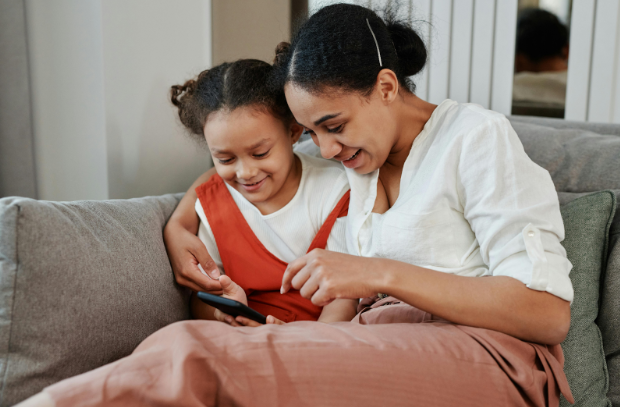
Mobile phone accessibility has become indispensable in modern society, functioning as much more than a simple communication tool. It supports personal security, education, and inclusion in vital services.
For a significant portion of the population, the mobile phone serves as the primary gateway to the internet, providing information, online educational resources, and worldwide communication capabilities.
These devices also serve as powerful navigation and productivity tools, providing GPS functionality, email, and remote work capabilities. In the domains of health and wellness, mobile phones enable telehealth appointments and fitness tracking.
National and Telecom Initiatives that Provide Free Connectivity
Subsidy programs reduce the cost of devices and monthly broadband charges for low-income households, seniors, or students. Initiatives such as device donation programs and broadband vouchers assist in addressing barriers such as device poverty and high recurring costs. Digital literacy training, often delivered through schools, libraries, or community centers, ensures that people can use digital tools safely and effectively.
Telecom-led device distribution and free plan programs aim to bridge the digital divide by providing low-income or disabled individuals with free or subsidized mobile devices and affordable monthly service plans.
These initiatives remove the two primary financial barriers to connectivity: the price of the device itself and the ongoing cost of mobile service.
Most programs operate through partnerships between government subsidy funds and mobile network operators (MNOs) or mobile virtual network operators (MVNOs), which deliver both the free gov phone and service directly to eligible beneficiaries.
Many people face “device poverty. They can’t afford the upfront cost of a smartphone, which blocks access to essential digital services like job applications, telehealth, and mobile banking.
Telecommunications companies, often supported by government programs, address this by providing free or discounted smartphones and tablets to eligible households. These devices offer the functionality needed for everyday digital tasks without the financial barrier.
However, owning a device is only half the solution. Monthly service costs can still strain low-income budgets. That’s why subsidized plans offer deeply discounted or completely free monthly service covering calls, texts, and data.
A leading example of such efforts is the Lifeline program in the United States, which provides qualifying households with a monthly subsidy on phone or internet service (up to $9.25, or up to $34.25 on Tribal lands).
Specialized Lifeline carriers apply these discounts directly to customer bills.
Many also supplement the government subsidy with their own offers, such as offering a low-cost or free iPhone 11, iPad Air 2, or similar devices.
These programs ensure that even the poorest households can use emergency services and receive disaster alerts. They open pathways to telehealth, online learning, and other services.
How to Get Free Phone Service Through AirTalk Wireless
Applying for Lifeline through AirTalk Wireless takes minutes.
Visit their website, enter your ZIP code,
Choose your device and plan, and verify eligibility through income (at or below 135% of federal poverty guidelines) or participation in programs like SNAP, Medicaid, or SSI.
Complete the online application with basic information and upload proof of eligibility.
Once you get approved, typically within days, your phone ships directly to you, ready to use.
Benefits include: free smartphones (like the iPhone 11 during promotions), unlimited talk and text, free monthly data, international calling to 200+ countries, no hidden fees, and access to customer support online or at their Fountain Valley store.
Community and Nonprofit Efforts
Community-driven solutions address practical barriers like device availability, affordability, and digital literacy, reaching people who face severe limitations, including a lack of identification, unstable housing, or privacy concerns.
Some communities are reviving pay-phone systems, repurposing old booths or installing new kiosks as free communication hubs offering no-cost local calls, limited Wi-Fi, and charging ports. These serve people experiencing homelessness or those avoiding personal devices for safety reasons.
Public Wi-Fi zones in libraries, parks, schools, community centers, and housing complexes provide crucial access for residents without home broadband, enabling students to complete homework and job seekers to submit applications.
Nonprofits contribute by facilitating federal programs like Lifeline, helping people understand eligibility and complete enrollment.
Many operate device banks, collecting donated smartphones, tablets, and laptops, refurbishing them, and redistributing them with free or subsidized data plans. Specialized support targets vulnerable groups: domestic violence survivors needing untraceable phones, foster youth, and refugees requiring connectivity for legal and social services.
To Wrap Up
From national subsidy initiatives and broadband expansion strategies to the work of nonprofits refurbishing devices. Together, these embody a common mission: to make sure every individual has the necessary device or the service plan.


